Sobaos Pasiegos
Traditional Recipe to cook Sobaos Pasiegos
CANTABRIA
12/12/20254 min read
The Essentials: Ingredients List (For 12 Sobaos)
Recipe Summary
Prep Time 20 minutes
Rest Time 30 minutes (Refrigeration is key)
Cook Time 20-25 minutes
Servings 12 Large Individual Sobaos
Origin Valles Pasiegos, Cantabria, Spain
Cuisine Spanish / Cantabrian Traditional Pastry
The Foundation (Crucial):
250 g (1 cup + 1 tbsp) High-Quality Unsalted Butter, at room temperature. (The quality must be excellent).
The Structure:
250 g (1 1/4 cups) Granulated Sugar.
4 Large Eggs.
280 g (2 1/4 cups) All-Purpose Flour.
1 Tbsp (15g) Baking Powder (Double-acting is best).
The Flavor:
1 Large Lemon, zested (use only the bright yellow part).
A pinch of Salt.
For Baking:
12 Square or rectangular paper baking molds (traditional sobao molds) or a muffin tin for large muffins.
The Golden Sponge: Mastering the Authentic Sobaos Pasiegos from Cantabria
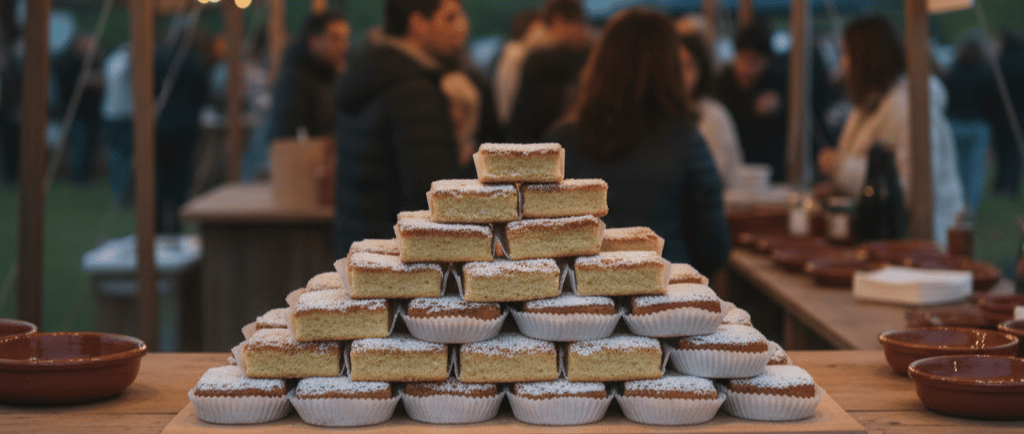
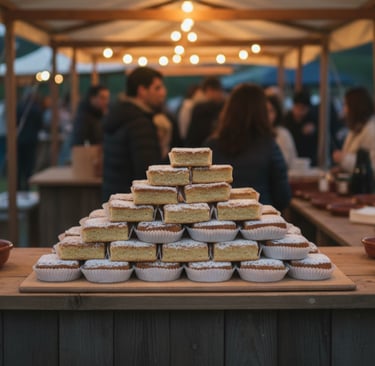
The Sobaos Pasiegos are a rich, buttery, melt-in-your-mouth sponge cake that stands as the most famous sweet export of Cantabria. Originating from the green, fertile Valles Pasiegos (Pasiegos Valleys), this simple but profound confection is defined by its two main ingredients: premium butter and lemon zest. Every traveler through Cantabria is familiar with these square, individually wrapped cakes—the ultimate expression of the region’s incredible dairy heritage.
A History Defined by Butter and Tradition
Like the Quesada Pasiega, the Sobao was born from the abundance of high-quality dairy in the Pasiegos region. The original sobaos were much denser and made with bread dough, sugar, and the local sobado (kneaded) butter.
The Evolution
By the early 20th century, the recipe evolved into the lighter, yet still incredibly rich, cake we know today, using eggs, flour, and baking powder (impulsor) to achieve its characteristic spongy, dense texture.
The Ritual
The Sobao is traditionally prepared on religious holidays and festive occasions, often baked in individual square paper molds, ensuring a perfect, portion-controlled serving. The term sobado means "kneaded" or "massaged," referring to the initial vigorous creaming of the butter and sugar—a crucial step that incorporates air and lightness into the final, otherwise dense, crumb. The authentic flavor is instantly recognizable: a powerful aroma of butter and the bright, clean finish of fresh lemon zest.
Process
Step-by-Step Mastery: The "Sobado" Technique
Phase 2: Building the Batter
Egg Integration: Crack the eggs into a separate bowl and beat them lightly. Gradually add the beaten eggs to the butter and sugar mixture, mixing well after each addition. Crucial: Scrape down the sides of the bowl often. The mixture may look slightly curdled; this is normal due to the high fat content.
The Dry Mix: In a separate bowl, whisk together the flour and the baking powder to ensure the leavening agent is distributed evenly.
Folding: Sift half of the flour mixture over the batter. Gently fold it in using a spatula until almost combined. Add the remaining flour mixture and fold just until all the dry ingredients are incorporated. Do not overmix; overmixing will make the final cake tough. The final batter will be very thick and dense.
Preheat and Rest: Preheat your oven to 180°C (350°F). Fill the individual paper molds (or muffin cups) about three-quarters full.
The Quick Chill: Place the filled molds in the refrigerator for 20-30 minutes. This chilling step is a vital traditional technique that sets the fat before baking, ensuring the sobaos rise dramatically with the classic "domed" top and preventing them from spreading too flat.
Baking: Place the chilled sobaos in the preheated oven. Bake for 20 to 25 minutes. They are done when the tops are deeply golden brown and a toothpick inserted into the center comes out clean.
Phase 3: The Bake
Phase 4: Serving
Cooling: Remove the sobaos from the oven and let them cool on a wire rack. They are best served slightly warm or at room temperature.
Presentation: The sobao is traditionally eaten directly from its paper mold. The dense, moist crumb should be slightly heavier than a typical sponge and intensely fragrant with butter.
Phase 1: Creaming (The Sobado)
Softening the Butter (Crucial): Ensure the butter is genuinely at room temperature (soft enough to leave an indentation when pressed).
The Creaming: In a large bowl or a stand mixer, combine the soft butter and the granulated sugar. Cream them together vigorously using a spatula or paddle attachment for 10 to 12 minutes. This is the sobado step: the mixture must become extremely pale yellow, fluffy, and almost white. This process incorporates the air necessary for the lift, despite the denseness of the cake.
The Lemon Zest: Add the lemon zest and the pinch of salt to the creamed mixture and beat for 1 minute to release the flavor.
Expert Tips for a Perfect Finish
The Butter Quality: The flavor of the sobao is the flavor of its butter. Invest in the best quality butter you can find—ideally a European-style, high-fat butter, as this is the closest analogue to the rich Cantabrian dairy.
Moisture Retention: If you are storing them, keep them in an airtight container. The high fat content naturally keeps them moist for several days.
The Oven Lift: For the best visual result (the high, cracked dome), ensure your oven is fully preheated and use the chilling step. The sudden high heat causes the outside to set quickly, forcing the center to erupt upward.
Pairing: The classic way to enjoy a Sobao is dipped into a cup of hot milk or black coffee, though it also pairs wonderfully with the Asturian Natural Cider (Sidra) or a simple cup of tea.