
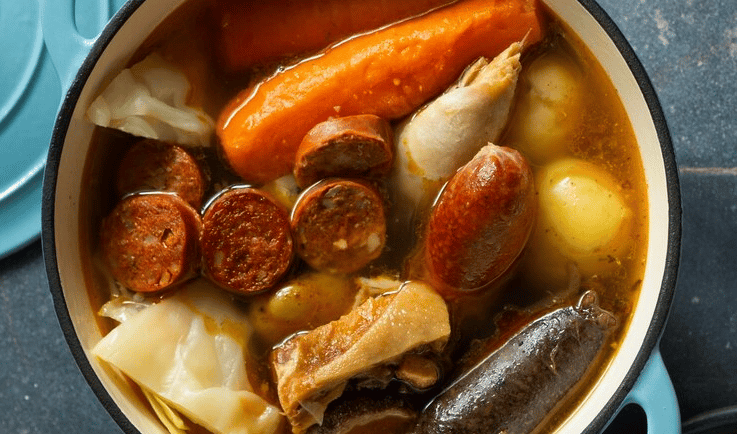
Cocido gallego (Cooked Gallego)
Traditional Recipe to cook Cocido gallego (Cooked Gallego)
A CORUÑA
12/11/20254 min read
The Essentials: Ingredients List (For 4 Servings)
Recipe Summary
Prep Time 24-36 hours (soaking/desalting time)
Cook Time 3.5 - 4 hours
Servings 4 people (Generous Portions)
Origin Galicia, Spain
Cuisine Spanish / Galician
A. The Cured Pork Products (Requires Desalting):
500 g (1.1 lbs) Cured Ham Shoulder (Lacón), bone-in preferred.
1 Piece Cured Pork Ribs (Costilla) or Salted Beef Brisket (Carne Salada).
1/2 Pig's Ear (Orella) or Snout (Morro).
100 g (3.5 oz) Cured Pork Fat (Unto). (Crucial for authentic flavor)
B. The Fresh Meats & Sausages:
2 Chorizo Sausages (Chorizo Gallego), mild type.
200 g (7 oz) Beef Shank or Shin (Jarret de Vaca).
C. The Vegetables & Pulses:
250 g (1 cup) Dried White Beans (Alubias Blancas or Faba Gallegas), soaked overnight.
6 Large (approx. 1 kg) Starchy Potatoes (like Russets or local Galician varieties), peeled.
1 Large Bunch (approx. 500g) Turnip Greens (Grelos) or Turnip Tops (Navizas). (Kale or Collard Greens are alternatives, but grelos are traditional.)
D. Liquid & Seasoning:
5 Liters (approx. 5 quarts) Cold Water.
Coarse Sea Salt, to taste (used very sparingly, as cured meats are salty).
The Ultimate Winter Comfort: Mastering the Epic Cocido Gallego (Traditional Galician Stew)
The Cocido Gallego is more than just a stew; it's a monumental feast, a cultural event, and the most iconic dish of Spain’s winter months. Hailing from the cold, verdant region of Galicia, this recipe is a masterclass in slow cooking, relying on the quality of cured pork products, local vegetables, and a deep, comforting broth.
The Heart of Galicia: History of the Cocido
The Cocido Gallego has its roots deeply intertwined with the Galician tradition of the Matanza (the annual pig slaughter), which provided families with provisions to last the entire year. Every part of the pig—from the ham shoulder (lacón) to the ear (orella) and snout (morro)—was cured and preserved, forming the backbone of this majestic dish.
While many Spanish regions boast a cocido (like the Cocido Madrileño), the Galician version stands apart due to its reliance on specific local ingredients: the lacón (cured ham shoulder), unto (cured pork fat that flavors the broth), and the essential Grelos (turnip greens). Historically, this was a sustenance meal, providing warmth and energy during the harsh Atlantic winters. Today, it remains the highlight of any Galician gathering, a truly unforgettable experience served in several "courses" (broth, vegetables, and finally, the meats).
Process
Step-by-Step Mastery: The Slow-Cooked Feast
Desalting the Pork (The Essential Step): Place the Lacón, Ribs, and Pig's Ear/Snout in separate bowls of fresh, cold water. They must soak for 24 to 36 hours, changing the water 2-3 times during this period to draw out excess salt.
Soaking the Beans: Place the white beans in a bowl, cover them with plenty of cold water, and soak overnight (at least 12 hours).
Phase 1: Preparation (The Day Before)
Phase 2: The Broth and Meats
The Initial Boil: Drain the desalinated pork products, the beef shank, and the soaked beans. Place them all in your largest pot (or olla). Cover with the 5 liters of cold water. Add the piece of Unto (cured fat).
Skimming and Simmering: Bring the water to a boil over high heat. As soon as it boils, reduce the heat immediately to a very low, gentle simmer. Use a slotted spoon to carefully skim off any foam or impurities that rise to the surface. This step is vital for a clear broth.
The Long Cook: Cover the pot loosely. Simmer for 2.5 to 3 hours. The meat is ready when it is fork-tender and beginning to separate from the bone.
Phase 3: Vegetables and Final Integration
Preparing the Greens (Grelos): While the meats are simmering, clean the grelos (or substitute greens). Trim the tougher stalks. To remove bitterness and acidity, blanch the greens by boiling them in a separate pot of water for 5-8 minutes. Drain and reserve them.
The Potato Prep (The Thickening Secret): Peel the potatoes. Similar to the Caldeirada, use the "chascado" technique: make a cut three-quarters of the way through the potato, and then snap off the final portion. This fractured edge releases starch, naturally thickening the broth.
Adding the Final Ingredients: Remove the Unto and the beef shank from the pot (set aside). Add the prepared potatoes and the two chorizo sausages to the pot. Simmer for 20 minutes.
Finishing the Broth: Add the blanched and drained Grelos to the stew. Simmer for another 10 minutes, until the potatoes are tender but not mushy, and the greens are cooked. Taste the broth and adjust salt only if absolutely necessary—it should be savory from the cured meats.
Phase 4: Serving (The Galician Way)
First Course (The Broth): Ladle the savory broth (Caldo) into cups or small bowls and serve it first as a warming appetizer.
Second Course (The Main Platter): Remove all the meats, sausages, potatoes, and greens from the pot. Slice the Lacón, chorizo, and beef shank. Arrange all the components dramatically on one large platter: the meats grouped together, the greens and potatoes next to them.
Serve Hot: The Cocido is always served piping hot, encouraging a shared, communal dining experience.
Expert Tips for a Perfect Finish
The Starch Shock: The chascado technique is key. The starches released into the broth by the "broken" potatoes give the soup its traditional comforting, slightly creamy texture.
Serving Separation: The Galician tradition is to serve the broth separately from the solids. This gives the diner control over the composition of their meal and respects the unique texture of each ingredient.
Unto is Non-Negotiable: If you cannot find unto (cured pork fat), use a small amount of high-quality pork lard, but the unto provides a unique, earthy flavor that defines the Galician Cocido.