
Asturian Apple Pie
Traditional Recipe to cook Asturian Apple Pie
ASTURIAS
12/12/20254 min read
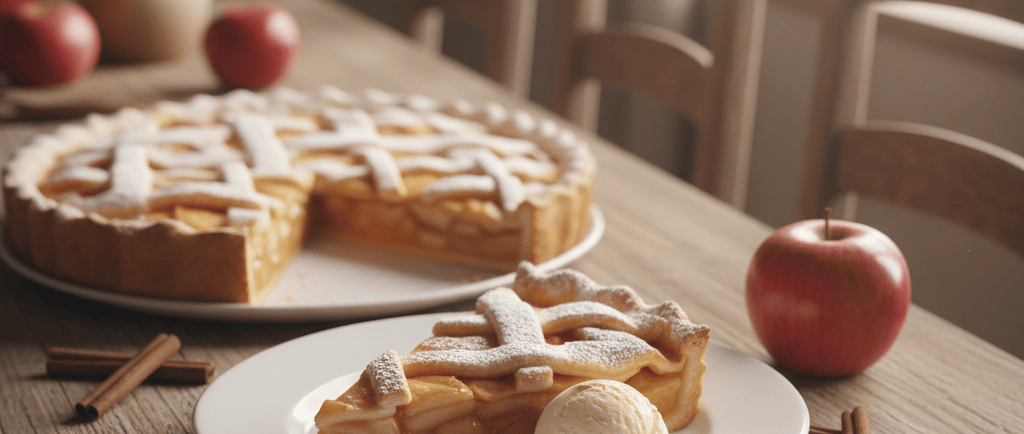
The Essentials: Ingredients List (For a 24cm Round Pie)
Recipe Summary
Prep Time 30 minutes
Dough Chill Time 30 minutes (Essential for stability)
Cook Time 50-60 minutes
Servings 8-10 people (Round Pie)
Origin Asturias, Spain
Cuisine Spanish / Asturian Dessert
For the Sweet Shortcrust Pastry (Masa Quebrada Dulce)
250 g (2 cups) All-Purpose Flour.
125 g (1/2 cup) Cold Unsalted Butter, cut into cubes.
50 g (1/4 cup) Granulated Sugar.
1 Large Egg Yolk.
3-4 Tbsp Very Cold Water.
A pinch of Salt.
For the Sweet Shortcrust Pastry (Masa Quebrada Dulce)
250 g (2 cups) All-Purpose Flour.
125 g (1/2 cup) Cold Unsalted Butter, cut into cubes.
50 g (1/4 cup) Granulated Sugar.
1 Large Egg Yolk.
3-4 Tbsp Very Cold Water.
A pinch of Salt.
For the Glaze (The Final Touch)
2 Tbsp Apricot Jam (or Apple Jam).
2 Tbsp Water or Cider.
Cider and Sweetness: Mastering the Authentic Asturian Apple Pie (Tarta de Manzana Asturiana)
The Tarta de Manzana Asturiana is the ultimate representation of the region’s fruit orchards and its most famous beverage: cider (sidra). Unlike the thick, often heavily spiced American pie, the Asturian version is celebrated for its moist, dense texture, its intense caramelization, and the pure, concentrated flavor of the apples, often enhanced by a touch of the local cider or brandy made from cider (orujo de sidra).
The Apple Heritage of the Northern Coast
Asturias is known as the "Natural Paradise" of Spain, and its lush valleys are ideal for growing apples, making it the epicenter of natural cider production. The traditional Tarta de Manzana is a direct tribute to this heritage.
The Reineta Apple
While you can use any firm, tart apple, the most traditional variety is the Manzana Reineta, which holds its shape well and caramelizes beautifully. The simplicity of the recipe allows the quality of the main ingredient to shine. The characteristic density and moistness come from using mashed, pre-cooked apple in the filling, which blends almost seamlessly with the sweet glaze. It is the perfect dessert to follow a hearty Fabada or a seafood meal, often served during celebratory meals and family gatherings, especially in the autumn harvest season.
Process
Step-by-Step Mastery: Achieving the Moist Asturian Texture
Phase 2: Preparing the Apple Filling
Initial Cook: Reserve about 500g (3 apples) of the best-looking slices for the decorative top layer. Place the remaining sliced apples (approx. 700g) in a saucepan with the 150g of sugar, cinnamon, and the cider/brandy.
Softening: Cook over medium heat for 10 to 15 minutes, stirring occasionally, until the apples are very soft and starting to break down into a compote.
Thickening: Remove the saucepan from the heat. Stir in the cornstarch or flour. Mash the cooked apples with a fork or potato masher until you have a thick, rustic puree. The mixture should retain some texture, but be primarily smooth. Allow the filling to cool slightly.
Preheat and Line: Preheat your oven to 180°C (350°F). On a lightly floured surface, roll out the chilled dough and line a 24cm pie dish or springform pan. Trim the edges and prick the bottom generously with a fork.
Adding the Filling: Spread the cooled apple puree evenly over the pastry base.
The Decorative Top: Arrange the reserved raw apple slices neatly on top of the puree, slightly overlapping them to create an attractive fan pattern. Sprinkle the top of the apples generously with 2-3 tablespoons of granulated sugar.
Baking: Bake for 50 to 60 minutes, or until the crust is golden brown and the apples on top are caramelized and very tender.
Phase 3: Assembly and Baking
Phase 4: Glazing and Serving
Preparing the Glaze: While the pie is still hot, gently warm the apricot (or apple) jam with the water or cider in a small saucepan until liquid and smooth. Strain the jam through a fine sieve for a clear glaze.
Glazing: Brush the warm glaze generously over the caramelized apples and the crust. This gives the pie a professional, glossy finish and prevents the apples from drying out.
Cooling: Allow the tarta to cool completely to room temperature before serving. This allows the filling to set and the flavors to fully develop.
Phase 1: Preparing the Pastry (Masa Quebrada)
Mixing: In a large bowl, combine the flour, sugar, and salt. Cut in the cold butter cubes using your fingertips or a pastry blender until the mixture resembles coarse sand.
Binding: Add the egg yolk and the cold water, one tablespoon at a time, mixing until the dough just comes together. Do not overwork the dough.
Chilling: Form the dough into a flat disk, wrap it in plastic wrap, and chill in the refrigerator for at least 30 minutes. This allows the gluten to relax and the butter to firm up, preventing shrinkage during baking.
Expert Tips for a Perfect Finish
The Double Apple Trick: The Asturian secret is using two textures of apple: the soft, caramelized, mashed puree on the bottom (for moisture and flavor) and the neat, raw slices on top (for texture and presentation).
Pastry Temperature: Ensure your butter and water are ice-cold when making the pastry. This prevents the fat from melting too quickly and yields a tender, flaky crust.
The Cider Note: Adding a splash of sidra (natural dry cider) or orujo de sidra adds an authentic, slightly tannic complexity that is essential to the Asturian version.
Pairing: The quintessential accompaniment is a glass of Asturian Natural Cider (Sidra Natural), poured from height to create a frothy head, as its slight acidity perfectly complements the pie’s sweetness.